
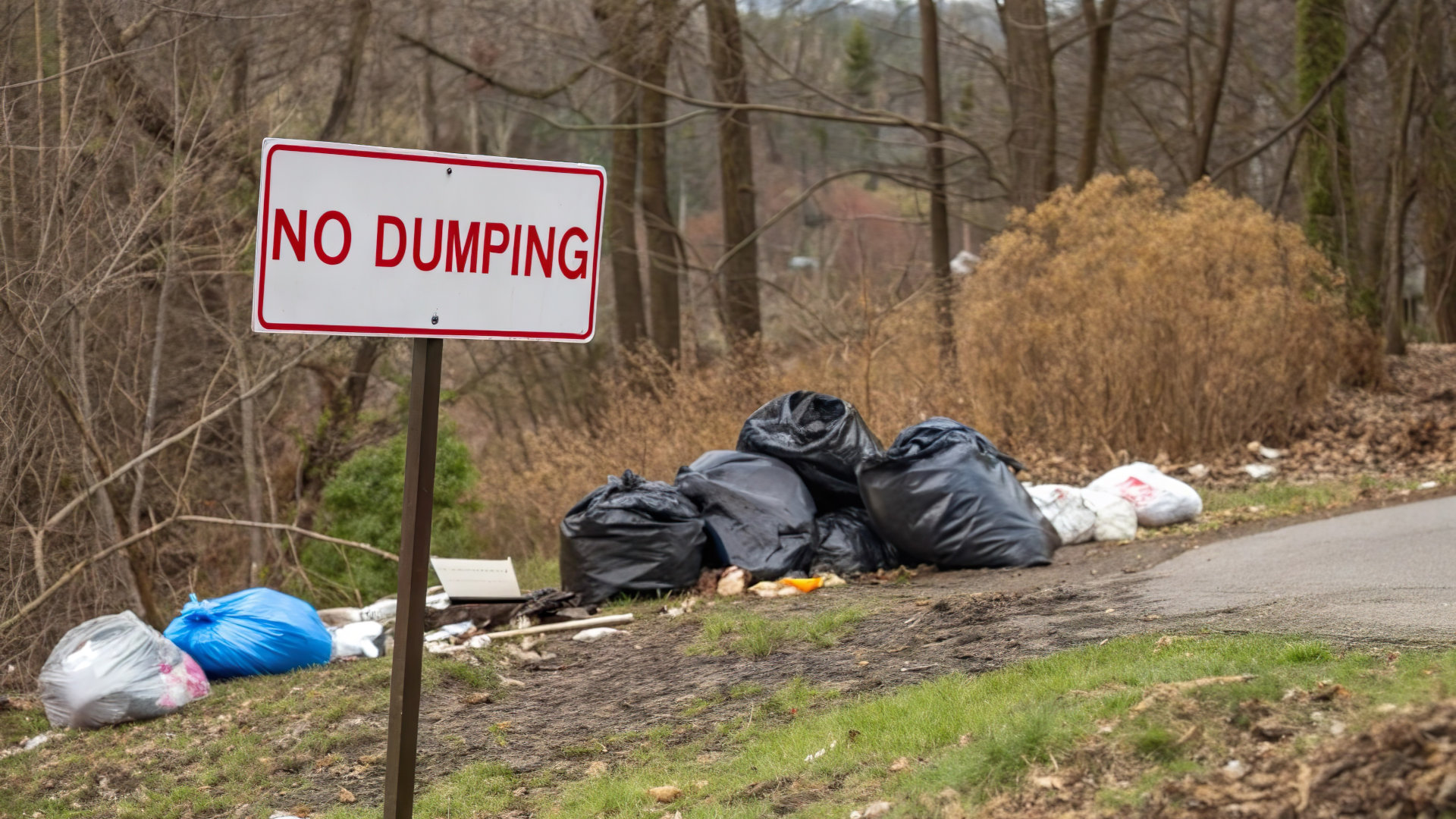
Roll-off dumpsters are one of the most convenient ways to dispose of debris during a cleanup, renovation, or construction project. However, many people are unsure about what materials are allowed in a dumpster and which items require special disposal.
Understanding what you can and cannot place in a roll-off dumpster helps prevent delays, additional fees, and environmental issues. This guide explains the most common items that are accepted in dumpsters and highlights materials that usually require alternative disposal methods.
Common Items You Can Put in a Roll-Off Dumpster
Most standard cleanup materials can safely be disposed of in a roll-off dumpster. These materials typically include household items, construction debris, and yard waste.
Household Junk
Roll-off dumpsters are often used for home cleanouts and moving projects. Common household items that can usually be disposed of include:
- Furniture such as couches, chairs, and tables
- Mattresses and bed frames
- Boxes and packaging materials
- Toys and household clutter
- Non-hazardous home goods
Dumpster rentals are especially helpful for garage cleanouts, estate cleanouts, and large home decluttering projects.
Construction and Remodeling Debris
Construction projects generate a large amount of waste, making roll-off dumpsters an ideal solution. Most renovation debris can be safely placed inside a dumpster.
Examples include:
- Wood and lumber
- Drywall and plaster
- Cabinets and countertops
- Flooring materials
- Tiles and bathroom fixtures
- Doors and windows
These materials are commonly generated during kitchen remodels, bathroom renovations, and home improvement projects.
Yard Waste and Landscaping Debris
Many homeowners use dumpsters when working on landscaping or outdoor cleanup projects.
Typical yard debris that can go into a dumpster includes:
- Tree branches
- Leaves and shrubs
- Grass clippings
- Sod and landscaping debris
- Small stumps
Large landscaping projects and seasonal yard cleanups can quickly generate large volumes of organic waste, making a dumpster rental a convenient solution.
Roofing Materials
Roofing projects produce a significant amount of debris that can usually be disposed of in a roll-off dumpster.
Common roofing materials include:
- Asphalt shingles
- Underlayment materials
- Roofing nails and flashing
- Old roof decking
Roof tear-offs often require larger dumpsters because roofing materials can be heavy.
General Cleanup Debris
Many other types of general debris are commonly accepted in dumpsters.
These include:
- Broken furniture
- Wood scraps
- Cardboard and packaging
- Non-hazardous construction materials
- Miscellaneous household junk
If your project involves clearing out unwanted items or cleaning up after renovations, a dumpster can handle most standard debris.
Items That Usually Cannot Go in a Dumpster
Certain materials cannot be placed in a roll-off dumpster due to safety regulations and environmental restrictions. These items typically require special disposal methods.
Common prohibited items include:
- Paint and chemical solvents
- Hazardous waste
- Automotive fluids and oil
- Batteries
- Propane tanks or pressurized containers
- Medical waste
- Pesticides and toxic chemicals
These materials must usually be taken to designated hazardous waste facilities.
Electronics and Appliances
Some electronics and appliances may require special recycling or disposal depending on local regulations.
Examples include:
- Televisions and monitors
- Computers and electronic equipment
- Refrigerators and appliances containing refrigerants
Some of these items may still be accepted depending on local disposal rules, but it is always best to check before placing them in a dumpster.
Heavy Materials
Heavy materials can sometimes be placed in dumpsters but may require special consideration due to weight limits.
Examples of heavy debris include:
- Concrete
- Dirt
- Brick
- Asphalt
- Roofing shingles
Because these materials are very dense, they can quickly reach weight limits. If your project involves heavy debris, it's important to discuss this when scheduling your dumpster rental.
Tips for Loading Your Dumpster
Proper loading can help you maximize the space in your dumpster and avoid safety issues.
Helpful tips include:
- Place heavy materials at the bottom
- Break down large items when possible
- Distribute debris evenly
- Avoid filling the dumpster above the top edge
Keeping debris level with the top ensures safe transportation when the dumpster is picked up.
When to Ask Before Throwing Something Away
If you are unsure whether an item can go into a dumpster, it is always best to ask before loading it. Different disposal facilities have different rules, and asking ahead of time can prevent unnecessary problems.
When in doubt, contact your dumpster provider and describe the materials you plan to dispose of.
Dumpster Rentals Make Cleanup Easy
Roll-off dumpsters make it easy to handle debris during home renovations, construction projects, and major cleanouts. By understanding what materials are allowed and which require special disposal, you can keep your project running smoothly and avoid unexpected issues.
At Denver Dumpster Rental LLC, we provide convenient dumpster delivery and pickup throughout the Denver metro area. Our simple process allows you to load debris at your own pace while we handle the hauling and disposal.
If you're planning a cleanup project and need a reliable dumpster rental, contact Denver Dumpster Rental LLC today to schedule delivery.